Suspension Repair
Suspension Repair in Philadelphia, PA
Vehicle Suspension Repair and Performance Care
Suspension System Parts That Support Safe Driving
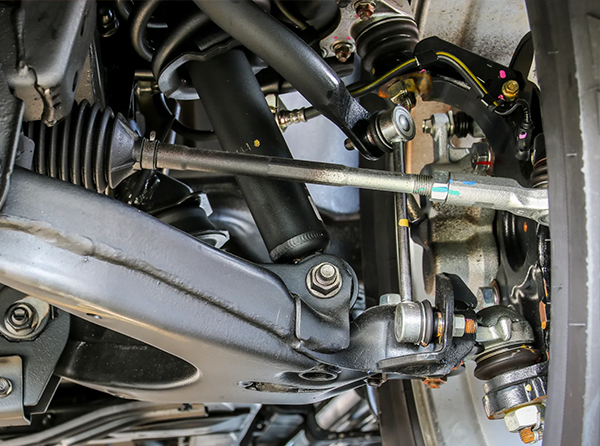
Your vehicle’s suspension system is a complex network of interconnected components working together to provide a smooth, controlled ride while maintaining tire contact with the road surface. At C-Tech Automotive Services, our ASE-certified technicians understand that suspension repair requires expertise with multiple components, including shocks, struts, control arms, ball joints, tie rods, sway bar links, bushings, and coil springs. Each component plays a crucial role in your vehicle’s handling characteristics and overall safety. When one component begins to fail, it often places additional stress on other suspension parts, which is why our comprehensive diagnostic approach examines the entire system rather than focusing on individual components. Our computerized diagnostic equipment allows us to identify worn or damaged suspension components before they lead to more extensive repairs or safety concerns.
Suspension Problems Explained
Recognizing the early warning signs of suspension issues can save you money and prevent dangerous driving conditions that compromise your safety on Philadelphia roads. A rough or bouncy ride is often the first indicator that your shocks or struts need attention. A A vehicle pulling to one side during normal driving typically suggests control-arm or ball-joint problems. Uneven tire wear patterns reveal suspension alignment issues that require immediate attention to prevent costly tire replacement. Knocking or clunking noises when driving over bumps or turning corners indicate worn bushings, ball joints, or sway bar links that need professional inspection. Nose diving during braking and excessive body roll when turning are clear signs that your suspension system can no longer properly control vehicle movement. If you’re experiencing any of these symptoms, contact C-Tech Automotive Services at (267) 762-1984 to schedule a comprehensive suspension inspection at our facility located at 3650 Aramingo Avenue, Philadelphia, PA 19134.
Complete Suspension Repair and Related Services
Our suspension repair services extend beyond component replacement to include comprehensive system evaluation and related services that ensure optimal vehicle performance. We provide wheel alignment services to correct suspension geometry after component replacement, ensuring your vehicle tracks straight and your tires wear evenly. Our tire balancing and rotation services complement suspension work by addressing wheel-related vibrations that can mask or compound suspension problems. Steering system inspection is integrated with our suspension diagnostics since these systems work closely together to provide vehicle control. Front end inspection services evaluate all suspension and steering components simultaneously, providing a complete picture of your vehicle’s condition. Bushing replacement is a specialized service we offer vehicles with worn rubber or polyurethane bushings that connect suspension components. Our facility at 3650 Aramingo Avenue, Philadelphia, PA 19134 features state-of-the-art alignment equipment and diagnostic tools for precise suspension repair, and we’re open Mon-Fri: 9AM-5PM to accommodate your scheduling needs.
Frequently Asked Questions About Suspension Repair